



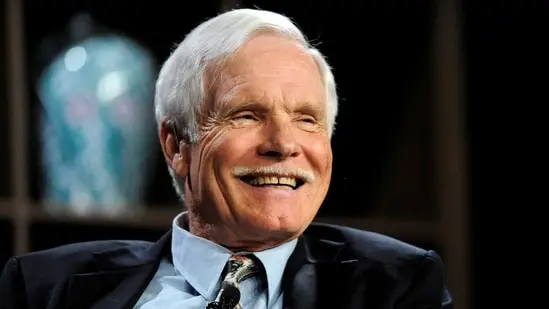
Cattle once grazed the Flying D Ranch in southwest Montana. Then in 1989, CNN founder Ted Turner bought the property, which covers about 113,000 acres. Today it’s home to bison, wolves and bears. A 2008 paper published in Conservation Biology by Eric Sanderson and colleagues helps explain why it matters. The team found that North America had more than 500,000 bison, but the paper found bison occupied less than 1 percent of their historic range. The Flying D is one example of a private owner trying to address that problem.
From cattle to bison
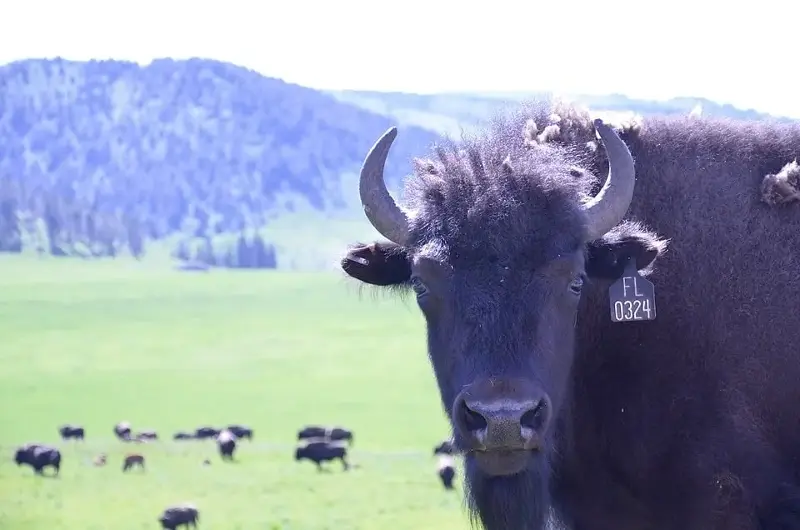
Turner didn't plan to become a Montana rancher. He later said he came to the state in 1989 mostly to fish. Instead, he bought the Flying D, sold off the cattle, and introduced bison. He was drawn to the animals. He bought his first bison in 1976, and said he wanted to help bring the species back. The Flying D had been overgrazed, so he traded cows for bison to help restore the native ecosystem. He had initially hoped to let the bison roam free, but state laws mandated fencing. Eventually, at their peak, the bison herds he maintained on several ranches numbered approximately 45,000 in total.
Wolves, bears, and room to roam
Bison are only part of the picture. The Flying D is situated between the Gallatin and Madison rivers, and its list of wildlife is extensive. Elk, deer, moose, wolves, black bears, and grizzlies all roam the land. The first wolves arrived on their own, wandering out of nearby Yellowstone. Turner welcomed them. He also put the ranch in a conservation easement. That's a legal deal that puts a permanent cap on development. This was among the largest easements in America at the time, so the land is not readily carved into housing lots. Today the Flying D is a working ranch, managed for bison and wildlife. It also offers hunts through an outfitter.
Why ownership of the land matters
Private land plays a big role in stories like this one. According to a 2005 study published in Rangeland Ecology & Management, ranches are the largest pieces of private open space in the West, along with some of its most natural landscapes. The paper followed the sales of ranches of 400 acres or more in three Rocky Mountain counties from 1990 to 2001. Turnover rates were between 14% and 45%. It argued that ranch ownership was shifting to a new type of owner. The paper is about ownership trends, not Turner and the Flying D. But it shows how much land can be affected by a new owner's decisions, and why conservation groups watch ranch sales closely.
Not quite a perfect tale
Not everyone cheered. Some locals around Bozeman opposed the easement, and public access to the Flying D remains limited. Bison recovery takes more than one ranch. Sanderson and his team projected that, over the next 100 years, many large herds could roam freely across broad landscapes in all major habitats of their historic range. That's a big goal, and no single owner can reach it alone. Even so, the Flying D shows what can happen when land, money, and patience align. Turner died on May 6, 2026, at age 87. The bison, wolves, and bears on his Montana ranch are part of what he left behind.