



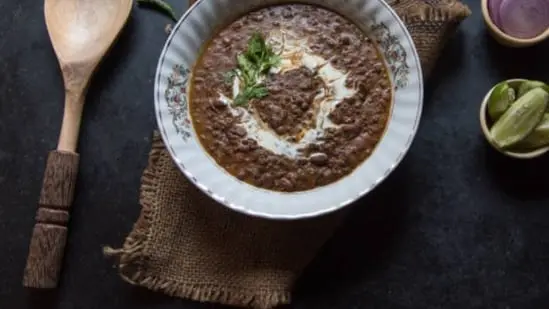
Slow-cooked black lentils, rajma, tomatoes, and aromatic spices can create a creamy meal without relying on heavy butter or cream. Chef Kunal Kapur's zero-oil dal makhani is a Indian Classic remaking of a beloved North Indian recipe with a lighter approach while preserving its rich taste and smooth texture. Popular among fans of chef kunal kapur zero oil dal makhani, this version offers a wholesome option for those looking for nutritious everyday meals.
Dal makhani traces its roots to the Punjab region, where black lentils and kidney beans have long been staples of family meals. In this healthier adaptation, slow-cooked urad dal and rajma provide plant protein, dietary fibre, iron, magnesium, and complex carbohydrates">plant protein, dietary fibre, iron, magnesium, and complex carbohydrates">plant protein, dietary fibre, iron, magnesium, and complex carbohydrates that release energy gradually. Tomatoes, onions, garlic, ginger, cumin, and turmeric contribute antioxidants and natural compounds">antioxidants and natural compounds">antioxidants and natural compounds that support digestion and overall wellness. This healthy high protein dal makhani recipe also avoids excess saturated fat while keeping the dish creamy through careful cooking.
To make this dish start by soaking black lentils and rajma before cooking them until soft and creamy. Fresh tomatoes, onions, garlic, ginger, and spices are simmered together to create a flavourful base without using oil or butter. Slow cooking helps the lentils naturally thicken the gravy, while herbs and mild seasonings add freshness. This approach to how to make dal makhani without oil creates a balanced meal that pairs well with rotis, brown rice, or millet and works especially well during summer because it feels lighter than richer restaurant versions.
Regular dal makhani often includes generous amounts of butter, cream, and ghee to achieve its creamy consistency. This recipe depends on the natural starch from slow-cooked lentils and kidney beans instead. The result is a low calorie Indian dal recipe with more protein and fibre, reduced saturated fat, and a rich taste that makes healthy eating easier without sacrificing flavour.
Zero-Oil Dal Makhani vs Classic Dal Makhani: Which One Is Better for Healthy Eating?
Feature |
Zero-Oil Dal Makhani |
Classic Dal Makhani |
|---|---|---|
Cooking Fat |
No added oil or butter |
Butter, cream, and ghee |
Protein Content |
High |
High |
Calories |
Lower |
Higher |
Saturated Fat |
Low |
Higher |
Fibre |
Rich |
Rich |
Texture |
Naturally creamy |
Rich and buttery |
Heart-Friendly |
Yes |
Moderate |
Weight-Loss Friendly |
Better suited |
Occasional treat |
Main Ingredients |
Urad dal, rajma, spices |
Urad dal, rajma, cream, butter |
Best For |
Everyday healthy meals |
Festive dining |
Quick Facts About This Healthy Dal
Preparation Time: 15 minutes
Cooking Time: 45 minutes
Total Time: 1 hour
Servings: 4
Difficulty: Easy
Cuisine: North Indian
Main Ingredient: Black lentils and rajma
Best Served With: Brown rice or whole wheat roti
Chef Kunal Kapur's Zero-Oil Dal Makhani Recipe
Slow-cooked lentils, rajma, and aromatic spices create a creamy, protein-rich dal without butter, cream, or extra oil.
Ingredients
- 1 cup whole black urad dal
- ¼ cup rajma
- 2 tomatoes, pureed
- 1 onion, finely chopped
- 1 tablespoon ginger-garlic paste
- 2 green chillies, chopped
- 1 teaspoon cumin seeds
- ½ teaspoon turmeric powder
- 1 teaspoon coriander powder
- ½ teaspoon red chilli powder
- 1 teaspoon garam masala
- Salt to taste
- 4 cups water
- 2 tablespoons coriander leaves
- 1 tablespoon lemon juice
Instructions
- Soak the urad dal and rajma overnight for better cooking and digestion.
- Pressure cook the lentils and beans until soft and creamy.
- Cook onions, tomatoes, ginger, garlic, and spices in a non-stick pan with a splash of water.
- Add the cooked lentils and rajma to the prepared masala mixture.
- Simmer the dal over low heat until it develops a rich consistency.
- Stir the dal occasionally to create a naturally creamy texture.
- Add garam masala and adjust the seasoning according to taste.
- Mix in lemon juice and fresh coriander before serving.
- Cook for a few extra minutes to blend the flavours well.
- Serve the dal hot with brown rice or whole wheat rotis.
Smart Tips to Make Zero-Oil Dal Makhani Even Healthier
- Soak the lentils overnight to improve digestion and nutrient absorption.
- Add extra rajma to naturally increase the protein and fibre content.
- Include spinach or methi leaves to boost iron and vitamin intake.
- Use fresh tomatoes instead of packaged puree to reduce sodium.
- Add grated bottle gourd for extra fibre and hydration.
- Sprinkle flaxseeds before serving for healthy omega-3 fats.
- Stir in fresh coriander to enhance flavour and antioxidants.
- Pair the dal with brown rice or millet instead of refined grains.
- Reduce the amount of salt and rely on herbs and spices for flavour.
- Serve the meal with fresh salad to add vitamins and crunch.
Nutritional Value of Zero-Oil Dal Makhani
Zero-Oil Dal Makhani combines lentils, kidney beans, and spices to provide balanced plant protein and essential nutrients">plant protein and essential nutrients">plant protein and essential nutrients.
Nutrient |
Approximate Amount Per Serving |
|---|---|
Calories |
280 kcal |
Protein |
18 g |
Carbohydrates |
42 g |
Fat |
2 g |
Fibre |
14 g |
Calcium |
90 mg |
Iron |
5 mg |
Potassium |
760 mg |
Magnesium |
95 mg |
Folate |
180 mcg |
FAQs
Is Chef Kunal Kapur's Zero-Oil Dal Makhani good for weight loss?
Chef Kunal Kapur's Zero-Oil Dal Makhani provides protein and fibre with lower calories, making the recipe suitable for balanced diets.
How does Chef Kunal Kapur's Zero-Oil Dal Makhani become creamy without butter?
Chef Kunal Kapur's Zero-Oil Dal Makhani develops natural creaminess through slow cooking and well-cooked lentils.
Which foods pair best with Chef Kunal Kapur's Zero-Oil Dal Makhani?
Chef Kunal Kapur's Zero-Oil Dal Makhani pairs well with brown rice, millet, whole wheat rotis, and fresh vegetable salads.