



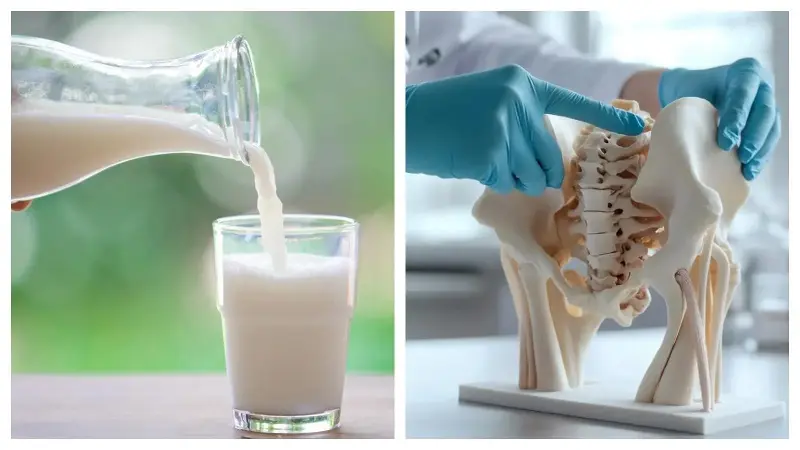
For decades, milk has been associated with strong bones because of its calcium, protein, and, in many regions, vitamin D content. As a result, dairy products have traditionally been recommended as part of a balanced diet to help maintain bone health and reduce the risk of osteoporosis, a condition characterised by reduced bone strength and increased fracture risk. However, multiple studies have led to public confusion by suggesting that higher dairy consumption does not always translate into lower fracture rates. This has raised an important question: Is milk beneficial or harmful for bone health?
Milk and dairy products are important dietary sources of calcium, a mineral essential for bone formation and maintenance. They also provide high-quality protein and phosphorus, both of which contribute to bone structure and metabolism. Adequate intake of these nutrients, especially during childhood and adulthood, supports the achievement and preservation of bone mass.
The concern that milk may contribute to osteoporosis mainly comes from observational studies cited in medical journals like Springer, Nutrients, BMC Public Health. However, studies by the Journal of Bone and Spine do not prove that milk causes osteoporosis. Fracture risk depends on many factors beyond bone density, including age, muscle strength, balance, physical activity, and overall health.
Another explanation was the “acid–ash hypothesis", which claims that high-animal-protein diets increase body acidity and cause calcium loss from bones. Recent evidence has not consistently supported this theory. In fact, adequate protein intake is now recognised as important for maintaining bone and muscle health.

Nutrients and lifestyle factors that support bone health
No single food guarantees healthy bones. Bone health depends on multiple nutrients and lifestyle factors. Calcium, vitamin D, protein, magnesium, and vitamin K, along with regular weight-bearing exercise, help maintain bone strength. Avoid smoking and excessive alcohol.
Osteoporosis itself is a multifactorial disease. Ageing, hormonal changes, especially after menopause, physical inactivity, certain medications, smoking, alcohol, nutritional status, and genetics all affect bone mass and fracture risk. Simply increasing milk intake does not address these underlying factors.
Adults can meet their calcium requirements through recommended amounts of dairy products or through other calcium-rich foods. Individuals with lactose intolerance or who avoid dairy can get calcium from fortified plant-based beverages, green leafy vegetables, legumes, nuts, seeds, and other fortified foods.
In conclusion
Current evidence does not support the idea that moderate milk consumption causes osteoporosis. Milk can remain a useful component of a balanced diet for bone health. View this as part of a broader strategy that includes proper nutrition, sufficient vitamin D, regular exercise, and appropriate bone health assessments. As orthopaedic surgeons, we advise patients to prioritise sustainable lifestyle changes and overall nutritional balance over reliance on a single food for bone health.