



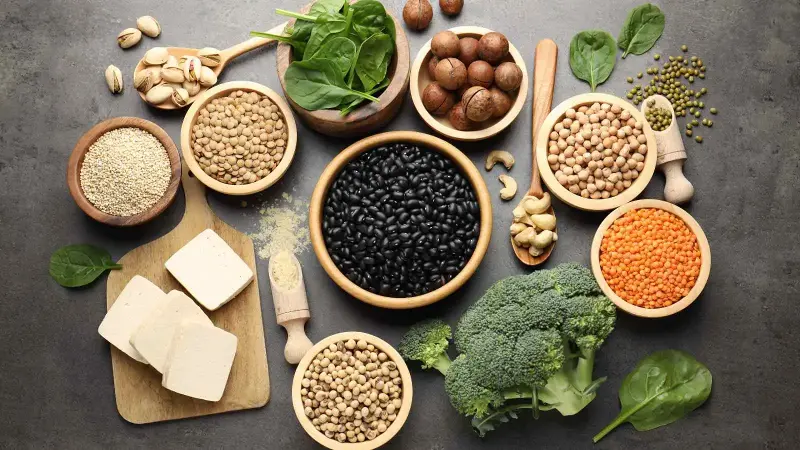
If you are a vegetarian, you have probably heard this question more than once, "But where do you get your protein from?" And honestly, many people still struggle with it. Between busy routines, limited food choices, and the belief that protein mainly comes from meat or eggs, hitting your daily requirement can feel confusing. But is it really that difficult? Not necessarily. Getting 50–100 grams of protein daily on a vegetarian diet is completely possible when you understand your food options better. Protein supports muscle strength, energy, immunity, and recovery.
Health Shots reached out to fitness and nutrition expert Mitushi Ajmera, author of Fearless Diet, who explains that vegetarian diets can easily meet protein goals when built smartly and consistently.
How much protein do you actually need?
Most vegetarian diets are heavy on carbs like rice, roti, and snacks, and protein often takes a back seat. And then the confusion begins: "Do I need supplements?' Or "Do I need to eat paneer every day?" Not really. You just need variety. Ajmera explains the daily protein requirement:
- Minimum requirement: 0.8g protein per kg body weight/day
Example: 70 kg person → 56g protein/day
- Moderate activity: 1.2–1.3 g/kg
- Active lifestyle: 1.5–1.6 g/kg
Ajmera suggests aiming for 20–40g of protein per meal to support better absorption and muscle health. While higher intake up to 2g per kg is generally safe, going beyond that regularly may not offer additional benefits.
Best vegetarian protein sources to include daily
A balanced vegetarian diet should include a mix of protein-rich foods:
1. Dairy options
- Paneer (100g) → 18–20g
- Greek yogurt (100g) → 10.5g
- Milk (1 cup) → 8g
- Cheese (28g) → 7g
- Soy milk (250ml) → 7g
2. Legumes & Pulses (Uncooked)
- Lentils (100g) → 24–26g
- Chickpeas (100g) → 19–20g
- Rajma (100g) → 23–24g
- Soybeans (100g) → 36–40g
- Edamame (100g) → 35–36g
NOTE: Pair these with some cereal for amino acid balance.
3. Soy products
- Tofu (100g) → 10–12g
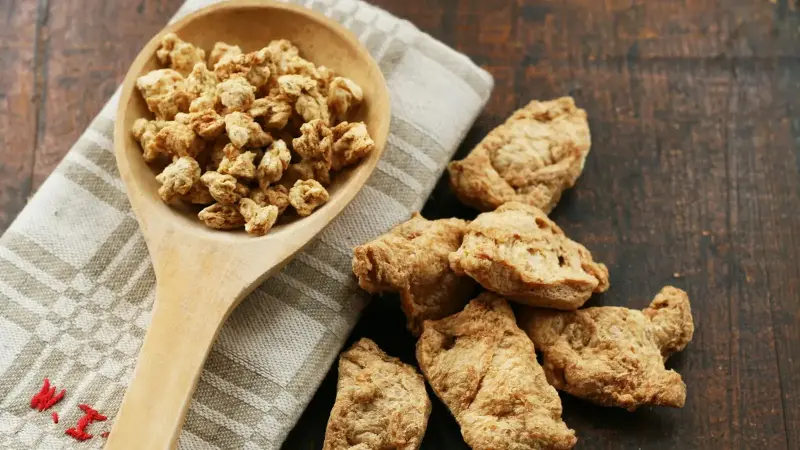
- Soy chunks (25g dry) → 13–14g
- Sprouts (moong, chana) (100g) → 6-8g
- Hummus (100g) → 7.5g
Ajmera highlights soy as one of the strongest vegetarian protein sources. If you are a vegetarian and not using soy regularly, you are probably missing an easy protein upgrade.
4. Grains & cereals (Uncooked)
- Quinoa (100g) → 14g
- Oats (50g) → 6–8g
- Brown rice (100g) → 7.2g
- Millet (100g) → 8–10g
- Barley (jau) (100g) → 9g
NOTE: These are carbohydrate-dominant foods with modest protein, best paired with legumes & pulses to improve amino acid balance.
5. Vegetables
- Peas (100g) → 5–6g
- Broccoli (100g) → 3g
- Mushrooms (100g) → 3g
- Sweet corn (100g) → 3g
- Brussels sprouts (100g) → 4g
They may not look like much, but they add up over the day.
6. Nuts, seeds & extras
- Peanuts (100g) → 25.8g
- Peanut butter (2 tbsp) → 7g
- Chia seeds (1 tbsp) → 2–2.5g
- Hemp seeds (1 tbsp) → 3.5–4g
- Sunflower seeds (1 tbsp) → 2g
- Roasted chana (30g) → 6g
- Mixed nuts (¼ cup) → 7g
Portion matters: Stick to 1 tbsp of seeds at a time and 5 pieces of nuts, as they are calorie-dense foods.
7. Supplements
- Protein powder (Whey) (1 scoop) → 20–25g
How to easily reach 50g of protein in a day?
Hitting 50 grams of protein can be simple with basic meals:
- Breakfast: Oats + milk + chia seeds → 14–16g
- Lunch: Dal + roti + curd → 18–20g
- Snack: Roasted chana + nuts → 10–12g
- Dinner: Paneer + vegetables → 10–12g
This combination can give you around 50–55g of protein without complicated planning.
How to reach 100g of protein on a vegetarian diet?
For higher goals, slightly upgrade your meals:
- Breakfast: Besan chilla + Greek yogurt → 25–30g
- Snack: Soy milk + seeds → 15–20g
- Lunch: Rajma + rice + paneer + curd → 30–35g
- Evening: Roasted chana → 10–12g
- Dinner: Tofu or soy chunks → 20–25g
This plan can help you reach 95–110g of protein comfortably.
Why do protein combinations matter?
Unlike animal protein, most plant proteins are incomplete, meaning they lack some essential amino acids. Pairing foods like dal with rice or roti with legumes helps create a complete protein profile. A study published in Nutrients highlights that balanced protein intake spread across meals improves muscle protein synthesis more effectively than consuming it all at once.
Tips to improve protein absorption
Ajmera recommends these tips to boost protein absorption:
- Space protein intake every 3–4 hours
- Chew food properly and eat slowly
- Include yoghurt and fermented foods for gut health
- Add fruits like papaya and pineapple for digestive enzymes
- Manage stress and avoid overly processed foods
Signs you may not be absorbing protein well
Watch out for signs like fatigue, hair fall, slow recovery, brittle nails, or frequent cravings. These may indicate poor absorption or low intake.