



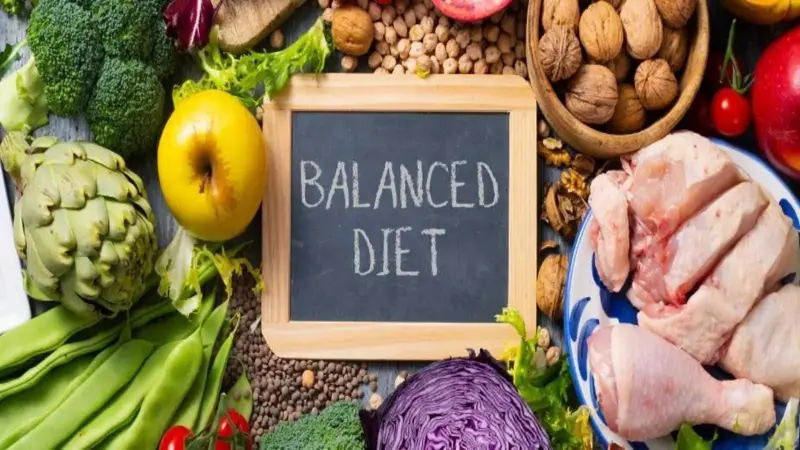
Women, especially mothers, often forget about themselves while caring for their families. They keep their well-being at the bottom of their priority list. Between managing households, careers, and caregiving responsibilities, nutrition often becomes an afterthought. Since a woman’s health is the foundation of a family’s well-being, focusing on it is imperative. Prioritising the right nutrition is about staying fit and sustaining energy to support long-term health.
Essential nutrition principles for women
-
Focus on protein intake
Protein is essential in maintaining muscle strength, supporting hormone production, and aiding recovery. Eating a diet consisting of dals, eggs, paneer, curd, fish, and legumes regularly can ensure the body gets the building blocks it needs to function optimally.
-
Iron is a must for women
Iron deficiency remains one of the most common nutritional concerns among women, which leads to fatigue, weakness, and reduced immunity. Regular intake of iron-rich foods such as leafy greens, lentils, jaggery, and dates can help maintain healthy levels.
-
Prioritise calcium and vitamin D
Bone health is a lifelong priority, especially during pregnancy, the postpartum period, and menopause. Calcium and vitamin D work together to maintain bone density and prevent long-term complications. Regularly consuming milk, curd, ragi, and sesame seeds, along with adequate sunlight exposure, can significantly support bone health.
-
Healthy fats support hormone function
Fats are not necessarily harmful. In fact, healthy fats are essential for hormone regulation, reproductive health, and brain function. Nuts, seeds, avocados, and omega-3-rich foods like flaxseeds and certain fish varieties contribute to overall balance and well-being.
-
Hydration is essential
Water is often underestimated, yet it influences every body function from digestion and metabolism to skin health and energy levels. Dehydration can lead to fatigue, headaches, and reduced concentration. Making a conscious effort to drink adequate water throughout the day is one of the most powerful health habits.
-
Don’t skip meals
Irregular eating patterns and skipping meals can disrupt metabolism and lead to energy crashes. Long gaps between meals may also affect blood sugar stability, impacting mood and productivity. Structured, balanced meals at regular intervals help maintain consistent energy levels and prevent overeating later in the day.
-
Eat more fibre
Gut health is linked to overall wellness, including immunity and mental health. Fibre-rich foods such as whole grains, fruits, vegetables, and seeds promote healthy digestion and support metabolic balance.
-
Reduce ultra-processed foods
Frequent consumption of ultra-processed foods can contribute to inflammation, hormonal imbalances, and long-term health risks. While convenience is important, prioritising fresh, home-cooked meals can improve nutritional quality and overall health outcomes.
-
Better nutrition supports mental well-being
Deficiencies in nutrients like iron, vitamin B12, and omega-3 fatty acids can affect mood, focus, and emotional resilience. A well-balanced diet fuels the body and supports cognitive function and mental clarity, helping women manage stress effectively.

Why is nutrition important for women?
Women need to view nutrition not as a solution to any existing problem but rather as an investment in future health benefits. Dietary solutions are applied only after health problems emerge. At the same time, a balanced diet can be an effective way to prevent diseases and maintain overall health. A woman's health is vital to her family. Paying attention to their diet can benefit them and their families. Small everyday decisions can add up to better health outcomes in the future. In a world that constantly demands of women, prioritising nutrition is one of the most essential and empowering steps toward a healthier, more balanced life.