



Do prolonged periods of sitting leave you with back pain that interferes with day-to-day activities? With a few basic tools, you can make sure that this back pain is reduced and prevented. Stretching is helpful in relieving stiffness in the body, even though it should be done daily, particularly if you move your body frequently. Even though prolonged sitting is not the only factor contributing to back pain, it's crucial to engage in some stretching exercises or a health regimen to avoid further spinal problems.
Back pain is often caused by poor posture, prolonged sitting, obesity, muscle strain, injuries, or medical conditions like arthritis and sciatica. Using ergonomic support tools and staying physically active can help prevent long-term spine issues, Dr Dev Rajan Agarwal, Orthopaedic Specialist, at Yatharth Hospital, tells HT Shop Now.
What are the major causes of back pain?
Back pain is a common issue affecting people across all age groups. It can be caused by unhealthy lifestyle habits as well as underlying medical conditions. Factors such as poor posture, prolonged sitting, lack of exercise, obesity, muscle strain, and incorrect lifting techniques are among the leading causes. Injuries from road accidents, sports activities, falls, or sudden movements can also damage the spine, muscles, and surrounding tissues. In addition, conditions like arthritis, osteoporosis, herniated discs, sciatica, and even kidney-related diseases may contribute to severe back pain. Stress and anxiety can further worsen the condition by increasing muscle tension and discomfort.
Who tends to have back pain?
According to the expert, certain groups are at a higher risk of developing back pain. These include office workers who spend long hours sitting, drivers, people involved in heavy manual labour, athletes, older adults, and individuals with obesity. Pregnant women are also more prone to back pain due to weight gain and hormonal changes during pregnancy. Additionally, people with sedentary lifestyles often have weaker back and abdominal muscles, which can increase the risk of discomfort and spinal issues.
Tools to prevent back pain and how to choose them?
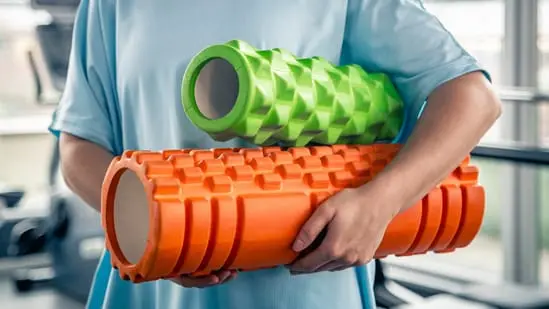
Various tools and support products can help prevent back pain and improve spinal health. These include posture correctors and back braces. Exercise accessories such as yoga mats, resistance bands, and foam rollers can also help strengthen muscles and improve flexibility.
When choosing these products, factors like comfort, body size, durability, and medical recommendations should be carefully considered. The ideal support product should help maintain the spine’s natural curve while reducing pressure on the back. The expert also recommends consulting a healthcare professional before purchasing preventive or supportive tools.
Lumbar Support Cushion
A lumbar cushion provides additional support to the lower back, especially when your chair lacks proper ergonomic features. It helps maintain the spine's natural curve and can reduce slouching.
How to choose one:
- Opt for memory foam for better contouring.
- Select a cushion with an adjustable strap.
- Ensure the size fits your chair and body frame.
- Look for washable or removable covers for easy maintenance.
Footrest
A footrest can improve sitting posture by supporting the feet and helping align the knees, hips, and lower back. It's particularly useful if your chair height prevents your feet from resting comfortably on the floor.
How to choose one:
- Look for adjustable height or tilt settings.
- Choose a non-slip design.
- Ensure the platform is wide enough for both feet.
- Consider textured surfaces that encourage subtle movement.
Back Support Belt
Back support belts are commonly used during lifting, manual labor, or activities that place stress on the lower back. They can provide temporary support but shouldn't replace proper posture or exercise.
How to choose one:
- Select the correct size for your waist.
- Look for adjustable compression straps.
- Choose breathable materials for comfort.
- Use it for specific tasks rather than prolonged daily wear unless advised by a healthcare professional.
Foam Roller
A foam roller can help relieve muscle tension, improve mobility, and support recovery after physical activity. While it doesn't directly prevent back pain, it can help address tight muscles that contribute to discomfort.
How to choose one:
- Beginners may prefer a softer roller.
- Denser rollers provide deeper pressure.
- Longer rollers offer greater versatility for full-body use.
- Durable materials tend to maintain their shape longer.
Standing Desk
Alternating between sitting and standing can help reduce the strain associated with prolonged sitting. Standing desks encourage movement and may help improve posture throughout the workday.
How to choose one:
- Choose a height-adjustable model.
- Ensure the desk is stable at all heights.
- Check that it accommodates your monitor, keyboard, and other essentials.
- Consider electric adjustment if you'll be changing positions frequently.
These back pain tools were selected based on their ability to support posture, reduce stiffness, and provide everyday comfort. Priority was given to ergonomic and beginner-friendly designs that are easy to use at home or work. Factors like adjustability, material quality, durability, user reviews, ratings, and overall value before shortlisting the picks.
How to choose the ideal back pain tools?
- Identify your concern, whether you need the tool for posture correction, reducing lower back pain, or relieving stiffness.
- Choose ergonomic and supportive designs that ensure comfort during use.
- Always opt for adjustable options, as they are more beginner-friendly.
- Read reviews and ratings before making a purchase.
- Consult a healthcare expert before buying back pain support tools.
Disclaimer: This article is for informational purposes only and not a substitute for professional medical advice. Always seek your doctor's advice for any questions about a medical condition. At Hindustan Times, we help you stay up-to-date with the latest trends and products. Hindustan Times has an affiliate partnership, so we may get a part of the revenue when you make a purchase. We shall not be liable for any claim under applicable laws, including but not limited to the Consumer Protection Act, 2019, concerning the products. The products listed in this article are in no particular order of priority.